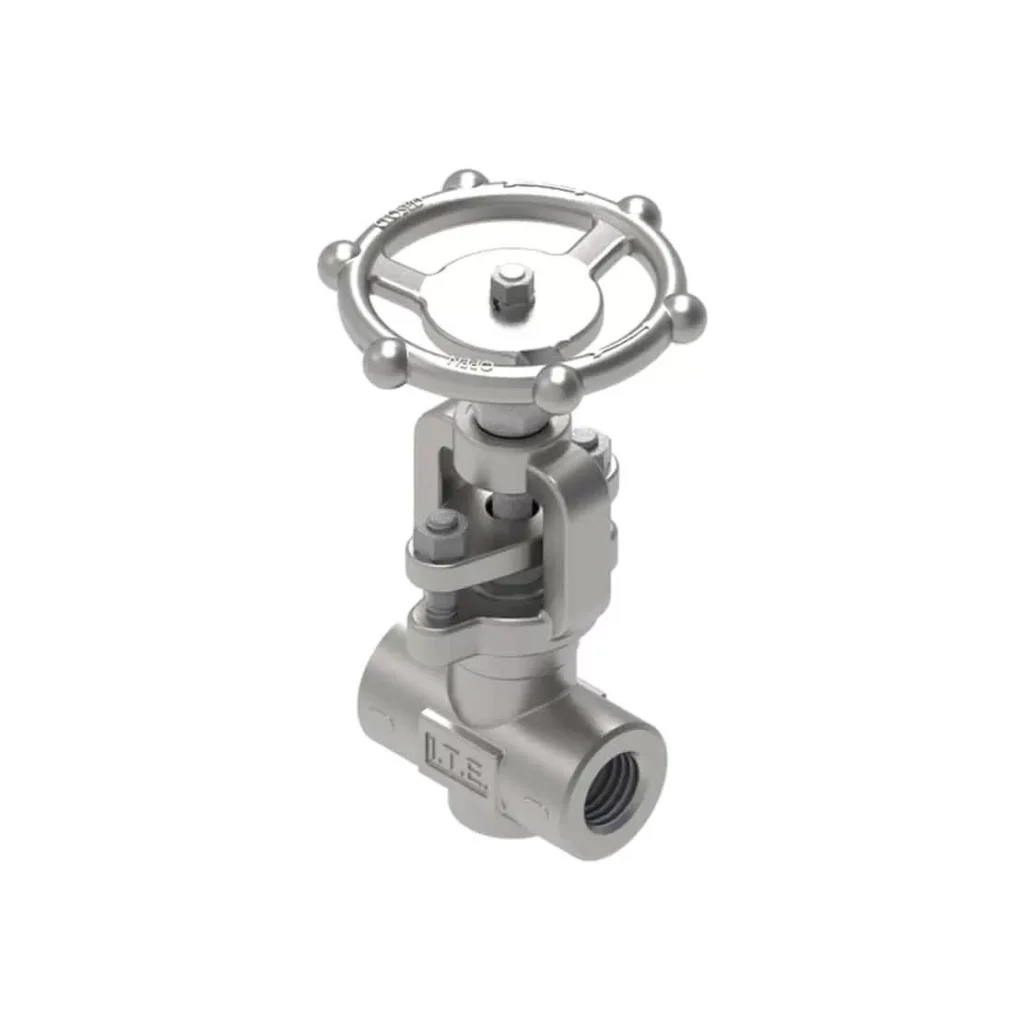
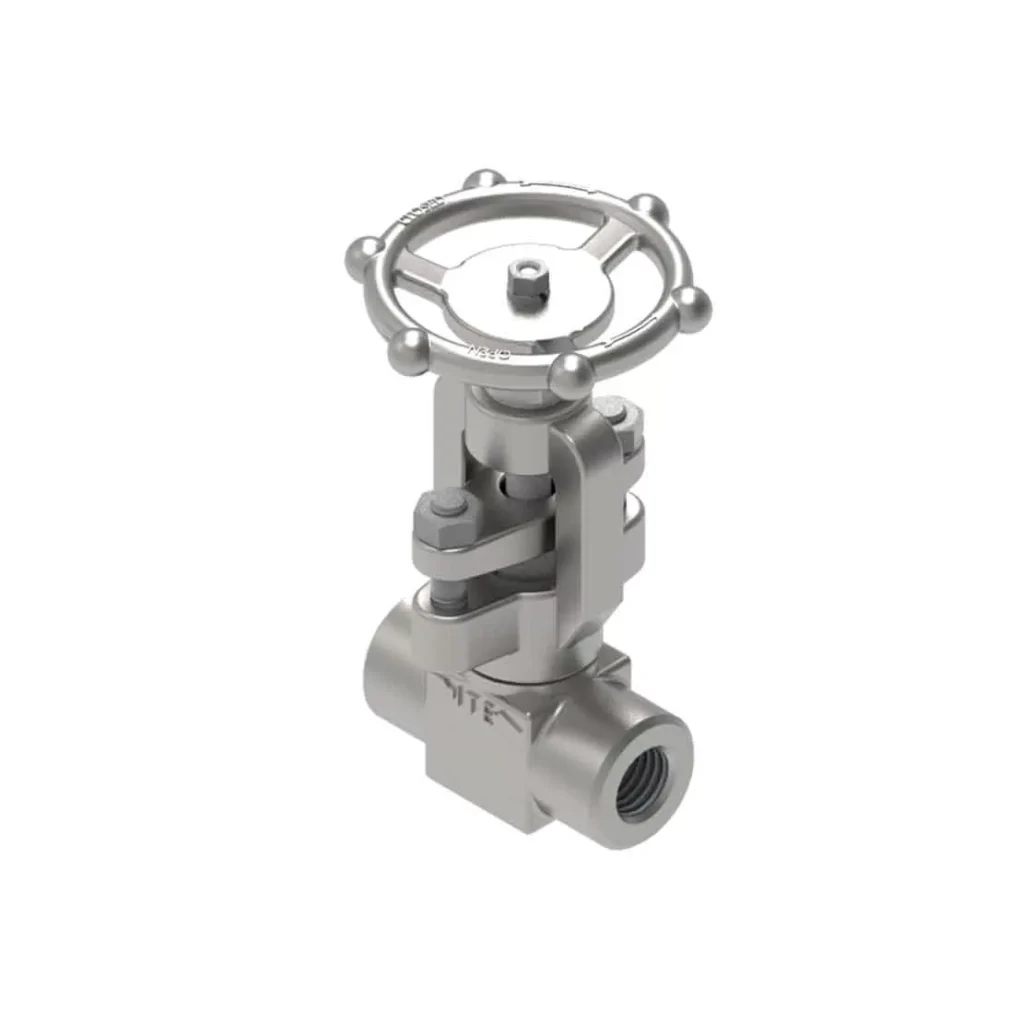
Gate valves are built for one job: full shut-off. Open them fully, or close them fully. In between is where trouble starts.
If you’re buying gate valves for water, steam, or general process lines, this guide walks through the practical choices that matter: type, materials, ends, pressure rating, and actuation—plus the questions you should ask before you place an order.
A gate valve uses a “gate” (disc/wedge) that moves up and down across the flow path. When it’s open, the gate is lifted out of the flow. That means low pressure drop compared to many other shut-off valve designs.
They’re a common pick for:
Gate valves aren’t happy half-open. A partially open gate creates turbulence and uneven wear on the seats. Over time, you get leakage, vibration, and a valve that won’t shut tight when you need it most.
If you need to regulate flow, you’ll usually look at a globe valve, control valve, or something designed for modulation.
You don’t need to be a valve designer, but you should recognize the big pieces:
This is the “classic” gate valve design. The wedge presses into the seats to seal.
Common variants:
Use cases: general industrial, water, many process lines.
Parallel slide designs seal using two discs that press against seats. They’re often used in higher temperature or certain steam services, depending on the manufacturer’s design.
These are more specialized, but you’ll see them in power/steam-related discussions.
Knife gate valves are made to cut through media that would clog a typical wedge gate valve. Think slurry, pulp, wastewater, and some bulk solids applications.
Knife gate valves can be:
With any knife gate valve, ask about:
Flanged gate valves are common in industrial piping because they’re easy to install and remove. The key is making sure the flange standard and dimensions match your line.
Before you buy, confirm:
Most “mystery leaks” come from basics:
Take your time here. A rushed flange install can haunt you for years.
Threaded gate valves are common in smaller sizes and utility lines. They’re straightforward, but you still need to confirm:
Threaded valves also suffer more from “installer creativity.” Good thread engagement matters.
Weld-end gate valves are chosen when you want:
Welding is permanent. Make sure you’re selecting the right metallurgy and procedure for the service.
Stainless steel is often chosen for:
It’s not a magic shield, though. Chlorides, certain acids, and high temperatures can still cause issues. If you’re unsure, share the media and temperature and get a compatibility check.
For water distribution, ductile iron is a workhorse:
If you’re specifying for buried or outdoor service, ask about:
Brass shows up in smaller sizes and general plumbing/utility setups. It can be a solid choice, but it’s not for every chemical or high-temperature service. Always check media compatibility.
A pressure rating is not just one number. Temperature matters. Many valve ratings derate as temperature rises, especially in steam service.
When you compare options, confirm:
A “gate valve for steam” isn’t one universal thing. You should confirm:
Two common terms:
For higher pressure/temperature, you may also see pressure-seal bonnets and more robust packing arrangements.
Manual valves are simple and reliable, but consider:
If a valve is hard to turn on day one, it won’t get easier later.
Electric actuators are common when:
Actuator sizing is where people get burned. You’ll typically need:
Give the supplier your line conditions and valve series, and make sure the actuator is matched to that exact valve.
Pneumatic actuation can be a great fit when you have plant air and want fast operation. You’ll often add:
If you need fail-safe behavior, discuss spring-return or alternative strategies early.
Have these ready:
Typical problems:
Avoiding most of this is boring: correct selection, clean installation, and operating the valve as intended.
Before you buy, ask for:
If you want a fast recommendation, send your line data and we’ll narrow it down to a short list of suitable options.
If you need shut-off, gate valves can work well when properly rated and specified. If you need control/throttling, a globe valve is usually the better match.
They can be, especially for isolation. Confirm pressure rating at steam temperature, bonnet/stem sealing design, and expected tightness.
Both are used. Gate valves are common for large water systems and isolation points. Ball valves can be great for tight shut-off and quick operation—choice often depends on size, operating practice, and network standards.
Pick gate valves for straight-through isolation and low pressure drop. Pick ball valves for quick quarter-turn shut-off and often tighter sealing, within the limits of the design and size.
A gate valve uses a moving gate/wedge and is typically multi-turn. A ball valve uses a rotating ball with a bore and is quarter-turn. Strengths differ in operation style, sealing, and typical use cases.
Globe valves are typically better for throttling/control. Gate valves are mainly for on/off isolation.
A knife gate valve is designed for slurry or media with solids. It uses a blade-like gate that can cut through buildup and handle thicker media.
Common in wastewater, pulp and paper, mining, and other slurry-heavy processes.
A vacuum gate valve is used in vacuum systems to isolate sections of a vacuum line or chamber. Sealing and design are tailored for vacuum performance.
Many use an actuator and a gate mechanism to open a large port with minimal obstruction, then seal tightly to maintain vacuum integrity.
Common causes include debris on the seat, a damaged sealing surface, stem issues, or running the valve partially open for long periods. For critical lines, isolate safely and inspect rather than forcing it.
Leak rate, sealing material, cleanliness requirements, actuator choice, and integration into the vacuum system are usually top priorities.